Best Tattoo-Friendly Onsen & Sento Near Tokyo (2026)
By Ikumi H.
Independent guide, based in Japan. Every facility verified via Google Places. How we verify →
Last updated: 2026-09-01 · 5 min read
Finding tattoo-friendly bathing spots in Japan is genuinely hard. Most onsen operators enforced blanket bans for decades, partly due to historical associations between tattoos and organized crime (yakuza). That stigma is softening — slowly — but the policy landscape remains patchy. A place that welcomed inked guests last year might have changed management and reversed course. Reddit threads about tattoo-friendly onsen near Tokyo are full of outdated tips for exactly this reason. The venues below are confirmed operational with strong review counts as of mid-2026. Verify current tattoo policy directly before you make the trip.
What "Tattoo Friendly" Actually Means in Japan
Before the venue list, a quick vocabulary lesson that will save you awkward moments at the front desk.
Kashikiri-buro (貸切風呂) — a private reserved bath. Even facilities with a strict no-tattoo rule in the communal baths will often rent you a private room by the hour. This is your best fallback strategy anywhere.
Cover stickers (防水シール) — waterproof patches sold at pharmacies and some onsen shops. Rules vary: some facilities allow tattoos under 10 cm if fully covered; others ban any visible ink regardless. Never assume stickers are enough without confirming.
The key phrase to ask staff: "Irezumi ga aru no desu ga, nyūyoku dekimasu ka?" (刺青があるのですが、入浴できますか?) — "I have a tattoo; am I able to bathe?"
🏨 Find stays near these spots →
Mannen-yu — Shinjuku, Tokyo
Mannen-yu sits in the Okubo area of Shinjuku, one of Tokyo's most internationally diverse neighborhoods. It carries a solid , which suggests a genuine track record of repeat visitors rather than a honeymoon-period spike.
As a neighborhood sento (銭湯 — a municipally-regulated public bathhouse, not a natural hot spring), it operates under Tokyo Metropolitan rules. Sento tend to be marginally more flexible on tattoo policy than resort-style onsen because their clientele is local and workaday. That said, policies differ by owner. Contact Mannen-yu directly before visiting and use the phrase above. If there's a cover sticker option, ask about the size limit.
Sakaeyu Sento — Nihonzutsumi, Taito City
Nihonzutsumi is a quiet, working-class district tucked between Asakusa and Minowa — the kind of Tokyo neighborhood that still has a functioning sento on every third block. Sakaeyu earns a , an impressive score for a traditional bathhouse.
Sento in Taito City have a reputation among long-term Tokyo residents for being unpretentious and community-focused. Tattooed visitors report varying experiences across the ward, so the key here is to call ahead or arrive early on a quieter weekday morning when staff have time to discuss your situation calmly. If communal bathing isn't possible, ask whether a kashikiri option exists.
Hisamatsuyu — Sakuradai, Nerima City
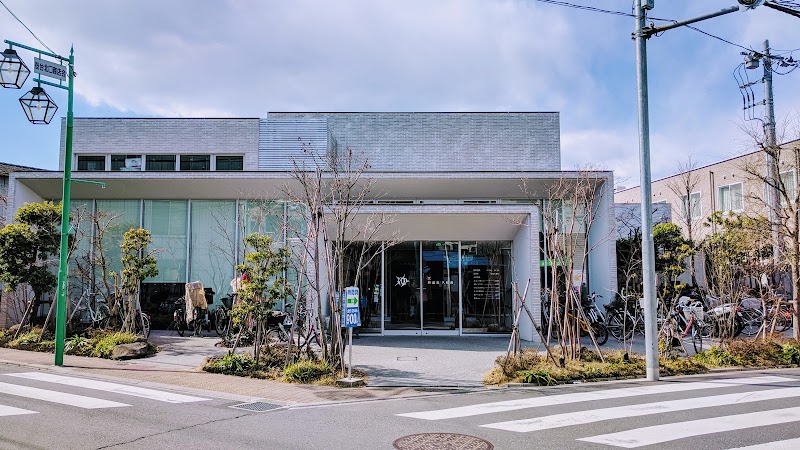
Nerima is one of Tokyo's quieter western wards, residential and unhurried. Hisamatsuyu has a remarkable 2,287 Google reviews — unusually high for a neighborhood sento — and holds a steady 4.0-star rating. That volume of reviews typically means the place draws visitors from outside the immediate neighborhood, which often correlates with a more traveler-aware mindset from staff.
The sheer review count makes this one worth investigating carefully. A sento with this kind of footprint has likely fielded tattoo questions before. Check recent Google reviews specifically mentioning tattoos (filter by keyword if your review platform allows it) to get a real-time sense of current policy. Don't rely on reviews older than 12 months.
Kosugiyu — Koenji, Suginami City
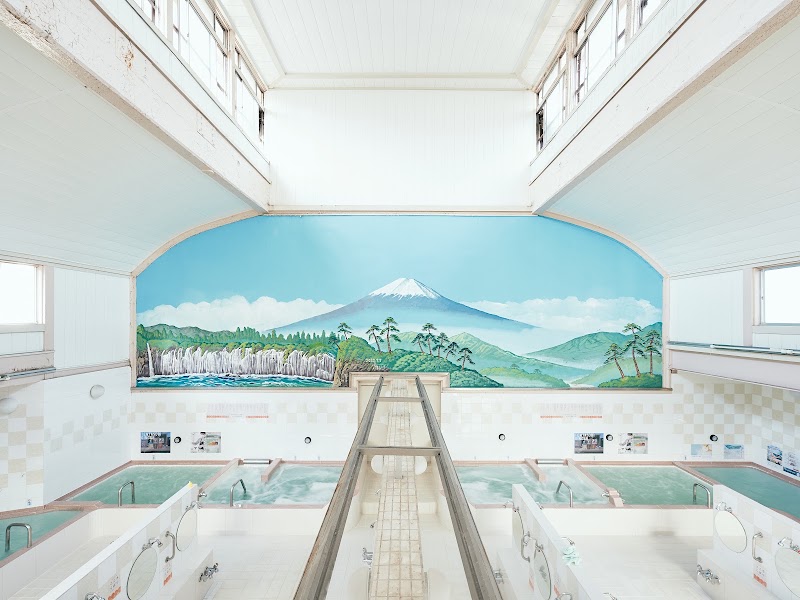
Koenji has a bohemian, counter-culture identity — vintage shops, live music venues, artists. Kosugiyu fits that neighborhood perfectly. It holds a and is frequently cited in Tokyo bathing circles as one of the city's more design-forward sento.
Kosugiyu's reputation attracts a younger, creative crowd and international visitors, which tends to make staff more accustomed to navigating the tattoo conversation. This doesn't guarantee admission, but it's a meaningful contextual signal. As always, verify before visiting. If you're traveling with a group that includes both tattooed and non-tattooed people, ask specifically how they handle mixed groups.
Tenzan Onsen — Hakone, Kanagawa
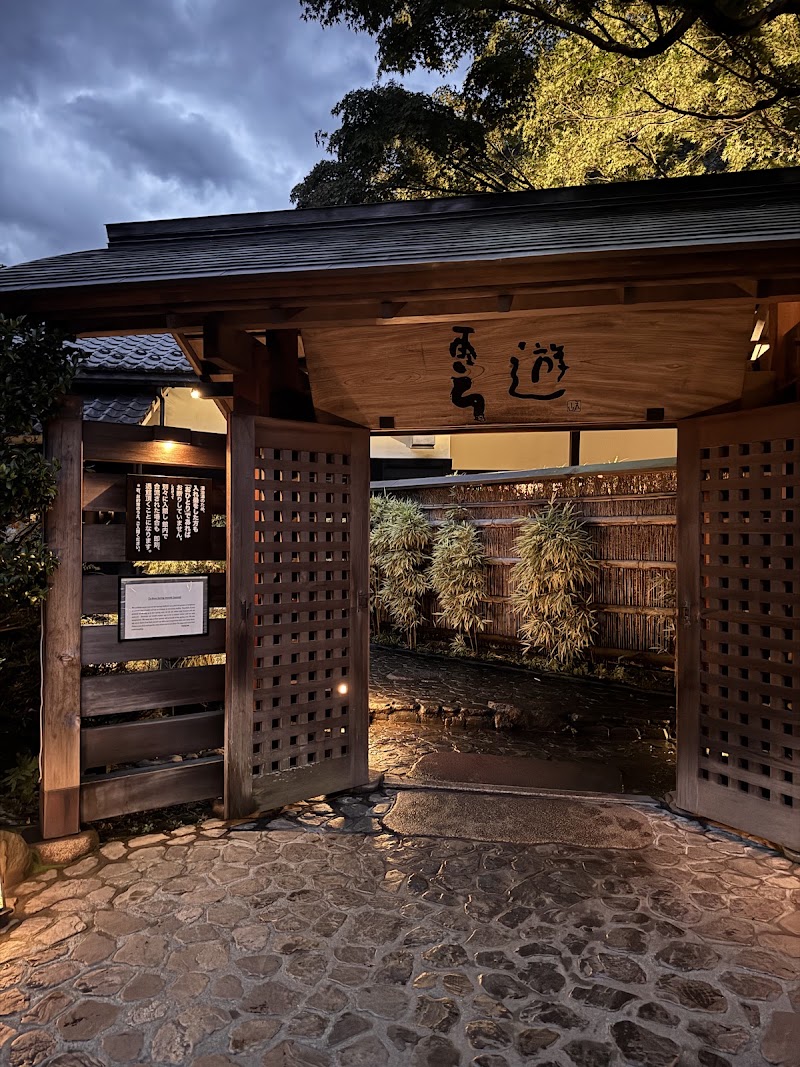
If you're willing to make a day trip or overnight from Tokyo, Tenzan Onsen in Hakone's Yumoto area is worth serious consideration. With a , it is by far the most-reviewed venue in this guide and one of the most reviewed onsen facilities in the entire Kanto region.
Hakone is a genuine hot spring (onsen) destination with naturally occurring geothermal water — a different experience from the municipal sento above. Tenzan has multiple bath areas and historically positioned itself as accessible to a broad audience. The kashikiri-buro option is worth asking about specifically if communal baths have restrictions. The scale of the operation means staff typically have a practiced answer to the tattoo question. Ask it anyway, and ask it in advance.
How to Verify Before You Go
Tattoo policy is not static. Here is a reliable verification process:
1. Check Google reviews for recency. Sort by "Newest" and look for any reviews mentioning irezumi, tattoo, or タトゥー. A policy change will usually show up in recent one-star reviews before it shows up anywhere official.
2. Call or email directly. Use this template in Japanese if you prefer written communication: "タトゥーがありますが、入浴できますか?貸切風呂はありますか?" (Do you allow tattoos? Do you have private baths?)
3. Check the facility's official website or Instagram. Many tattoo-welcoming places in Japan now explicitly advertise it in English, using phrases like "tattoo OK" or "tattoo friendly." This is the clearest signal.
4. Use these Japanese search terms if you want to find additional options independently: 「タトゥーOK 銭湯 東京」 (tattoo OK sento Tokyo) or 「入れ墨OK 温泉 関東」 (tattoo OK onsen Kanto region). Results will be in Japanese but Google Translate handles the relevant vocabulary reliably.
Final Practical Notes
Arrive with waterproof cover stickers as insurance even if the facility says your tattoos are fine — some staff defer to other bathing guests and may ask you to cover up once you're inside. Patches are available at most large pharmacies (薬局, yakkyoku) and cost very little.
Go on weekday mornings when possible. Fewer bathers means less chance of complaints from other guests, which is often what actually triggers a tattoo incident even when management is accepting.
The situation for tattooed visitors in Japan is genuinely improving. These five venues represent a solid starting point, but the golden rule remains: always confirm current policy before you show up with a towel.