Tattoo & Kid-Friendly Onsen in Japan: 5 Real Picks
By Ikumi H.
Independent guide, based in Japan. Every facility verified via Google Places. How we verify →
Last updated: 2026-09-01 · 5 min read
Finding a Japanese bath that welcomes tattoos and children is genuinely one of the harder travel logistics puzzles you can face. Most onsen apply blanket tattoo bans. Many also have age minimums or depth restrictions that make them impractical for young children. Finding a place that ticks both boxes — and that actually has the facilities to make a family soak comfortable — requires research most travel blogs skip entirely.
This guide cuts through that. Every venue below is confirmed operational with substantial visitor reviews. Tattoo policy details shift, so we include exactly what to ask before you strip down.
Why the Double Challenge Exists
Tattoo restrictions in Japan stem from the historical association between body art and the yakuza (organized crime). Many onsen operators use blanket bans to avoid any awkward social situations in communal bathing spaces. Separately, young children in onsen present practical concerns: scalding water temperatures, slipping hazards, and courtesy to other bathers.
The good news is that sentō (銭湯, public bathhouses) tend to be more permissive on tattoos than natural hot spring resorts, and many have shallower baths and family-friendly layouts. Kashikiri-buro (貸し切り風呂), private rental baths, solve both problems at once — your ink stays out of other guests' sight, and your kids can splash without bothering anyone.
🏨 Find stays near these spots →
Hottarakashi Onsen — Yamanashi
Rating: 4.3 ★ — 14,865 reviews
Set in the hills above Kōfu in Yamanashi Prefecture, Hottarakashi Onsen is one of Japan's most-reviewed open-air bath experiences, famous for its panoramic views of Mount Fuji and the surrounding valley. With nearly 15,000 Google reviews, it's a genuinely well-trafficked spot that sees a diverse international crowd.
This volume of visitors — including many foreign tourists — means staff are accustomed to navigating tattoo enquiries. The communal outdoor pools are the main draw, but the key question you need to ask on arrival or by phone is whether cover-up patches (防水シール, bōsui shīru) are acceptable for your tattoo size, or whether kashikiri options exist. Do not assume either answer. Bring waterproof cover stickers regardless. Children are generally welcomed here, but verify minimum age and water temperature tolerance with staff before committing to the trip from Tokyo (roughly 2 hours by bus or car).
Tenzan Onsen — Hakone
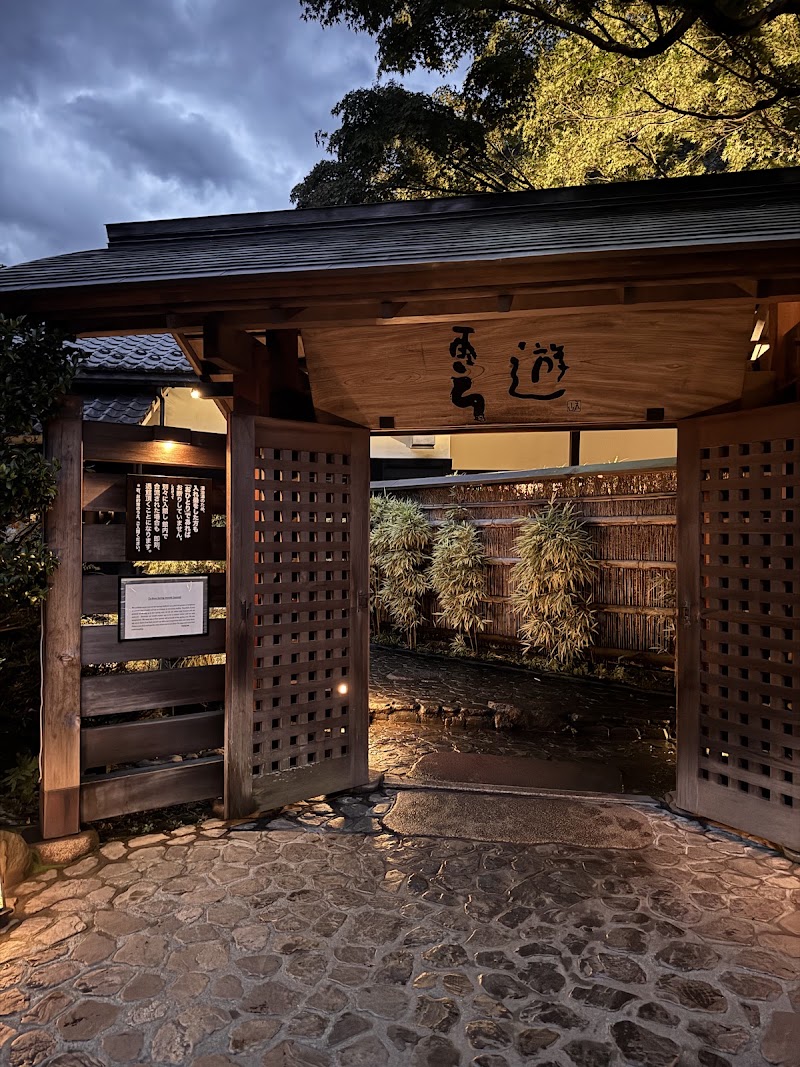
Rating: 4.4 ★ — 5,927 reviews
Tenzan Onsen in Hakone's Yumoto area has a strong reputation among international visitors for being more welcoming than the average Hakone resort. It operates multiple bath types including indoor, outdoor, and some semi-private options — the variety matters when you're negotiating tattoo access and kid-friendliness simultaneously.
At 4.4 stars across nearly 6,000 reviews, it consistently performs well on atmosphere and value. Hakone as a region is well set up for families generally. When you arrive, ask specifically: "Irezumi wa daijōbu desu ka?" (入れ墨は大丈夫ですか?— "Are tattoos okay here?") and "Kodomo wa hairu koto ga dekimasu ka?" (子供は入ることができますか?— "Can children enter?"). Having both questions ready in writing on your phone removes language barriers quickly. Check current entry conditions and private bath availability directly via Google Maps before visiting.
Yamato-no-Yu — Narita, Chiba
Rating: 4.0 ★ — 1,806 reviews
Located in Narita, Chiba, Yamato-no-Yu is a practical option for families arriving or departing from Narita International Airport with time to spare. It functions as a public bath facility rather than a resort onsen, which typically means a more relaxed social environment and greater staff familiarity with non-Japanese visitors.
Public bath facilities of this type often have family bathing sections or rental bath rooms — ask about kazoku buro (家族風呂, family bath) when you call or arrive. A 4.0 rating across 1,806 reviews suggests a solid local favourite rather than a tourist showpiece, which in practice often means more pragmatic policies. Confirm tattoo acceptance and any child age or height requirements before your visit via their current Google Maps listing.
Mikokuyu — Sumida, Tokyo
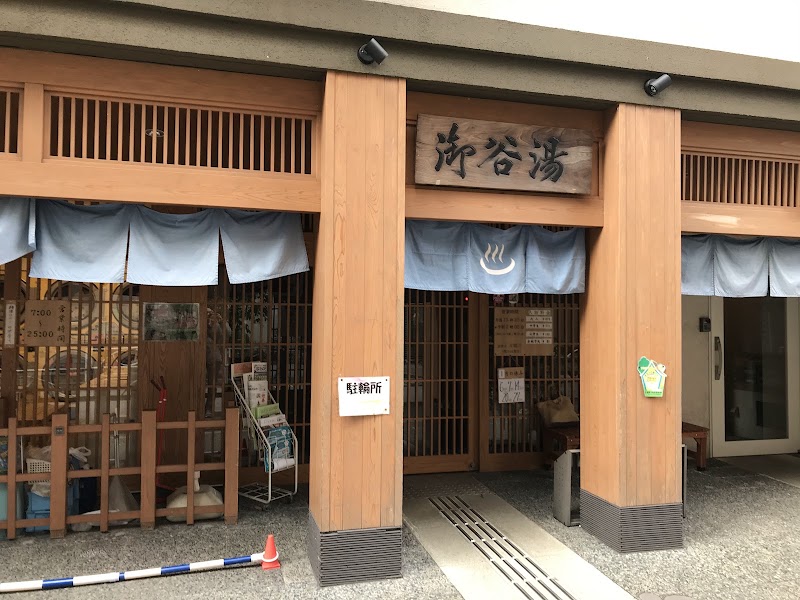
Rating: 4.3 ★ — 1,999 reviews
Mikokuyu is a sentō in Sumida City, Tokyo — a neighbourhood with deep shitamachi (下町, old town) roots and a bathing culture that predates modern onsen tourism by generations. Sentō in Tokyo are subject to Tokyo Metropolitan Government bathing regulations, and a growing number have adopted explicit tattoo-welcome policies as they court younger and international clientele.
At 4.3 stars from nearly 2,000 reviewers, Mikokuyu is clearly doing something right. Sentō are generally shallower and cooler than hot spring baths, which makes them inherently more manageable for children. Check their current tattoo stance directly — if they permit ink, this is an accessible Tokyo neighbourhood soak that gives kids a genuine local cultural experience rather than a tourist facility.
Sakaeyu Sentō — Taito, Tokyo
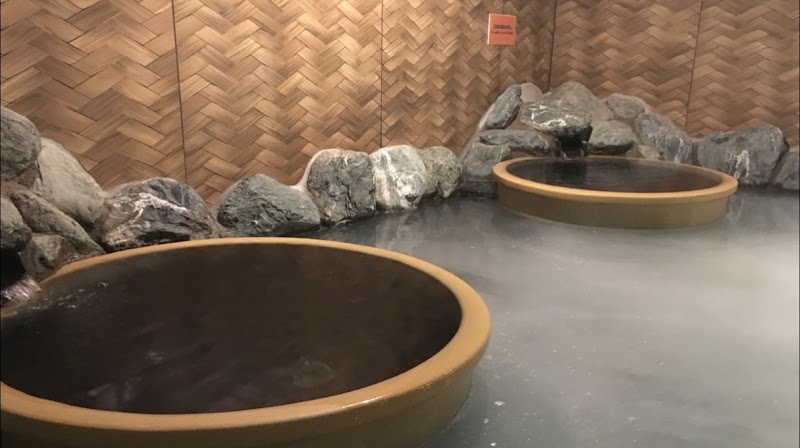
Rating: 4.4 ★ — 1,191 reviews
Sakaeyu Sentō sits in Taito City near Nihonzutsumi, another part of Tokyo with traditional sentō culture. A 4.4 rating is impressive for a neighbourhood public bath, signalling genuine quality. Like Mikokuyu, its sentō status means it operates under Tokyo's public bathhouse framework rather than a private resort's discretionary tattoo policy.
This matters practically: Tokyo sentō operators increasingly post explicit signage about tattoo rules, making it easier to know before you undress. Taito City is also very accessible from central Tokyo and Asakusa. Confirm policies and child entry rules via Google Maps before visiting, and bring cover patches as a backup regardless of stated policy.
How to Verify Before You Go
Tattoo and child policies change without notice. Here's the verification routine that saves wasted trips:
- Check Google Maps reviews filtered to recent dates — visitors frequently mention tattoo experiences in reviews. Search the venue name and filter to the past three months.
- Call ahead using a translation app — Google Translate's voice mode works for basic policy questions. Ask: "Irezumi ga aru hito mo hairu koto ga dekimasu ka?" (入れ墨がある人も入ることができますか?) and "Nansai kara hairu koto ga dekimasu ka?" (何歳から入ることができますか?)
- Prepare waterproof tattoo cover patches — even at permissive venues, covers demonstrate courtesy and often determine whether a borderline staff decision goes in your favour. Look for patches sized to your tattoo; most Japanese pharmacies (薬局, yakkyoku) stock small waterproof bandages that work for smaller pieces.
- Ask about kashikiri-buro — private rental baths sidestep communal tattoo concerns entirely and give children space to be children. Not all venues offer them, but it's always worth asking.
Final Tips for Tattooed Parents in Japan
Smaller tattoos in concealable locations are easier to manage than large sleeve or back pieces — not because the ink itself matters, but because cover patches become impractical at scale. If your tattoos are extensive, lead with private bath options as your first choice rather than your fallback.
Children in Japan's bath culture are generally welcomed warmly, especially in neighbourhood sentō where multi-generational bathing is the norm. The combination of tattooed adults and young children is genuinely manageable at the right venues — you just need to do the pre-visit work most tourists skip.