Tattoo-Friendly Onsen in the Japanese Alps Region
By Ikumi H.
Independent guide, based in Japan. Every facility verified via Google Places. How we verify →
Last updated: 2026-09-01 · 5 min read
Finding tattoo-friendly onsen in the Japanese Alps corridor is genuinely harder than social media makes it sound. The mountain resort towns — Hakone, Kusatsu, the Yamanashi highlands — are steeped in traditional bathing culture, and many ryokan onsen still post irezumi kinshi (入れ墨禁止, tattoo prohibited) signs without exception. But the picture in 2026 is more nuanced: a growing number of facilities have shifted to cover-up sticker policies, offer kashikiri (貸切, private/reserved baths), or have quietly dropped blanket bans to attract international visitors. The five verified venues below cover a practical arc from the Kanagawa foothills through Yamanashi and up to Gunma's volcanic highlands — all confirmed operational with substantial real-visitor review counts.
Tenzan Onsen — Hakone, Kanagawa
Google rating: 4.4 · 5,927 reviews
Tenzan sits in Hakone's Yumoto area, one of the most tourist-saturated onsen zones in Japan, which works in your favour. High international footfall means staff are more practiced at explaining tattoo policies in plain terms. Tenzan is frequently cited by tattooed visitors in online forums as one of Hakone's more relaxed large public baths — but policies can shift, so confirm directly before you show up.
When you call or message, ask: "Irezumi ga arimasu ga, hairu koto ga dekimasu ka?" (入れ墨がありますが、入ることができますか?) — "I have tattoos; is it possible to enter?" If they allow cover-up stickers (shiru シール or wanpointattoo kawaa ワンポイントカバー), ask about the size limit. Many facilities cap coverage at a palm-sized area; larger full-sleeve or back-piece tattoos may still be turned away even with stickers.
Tenzan has multiple indoor and outdoor baths across a forested hillside setting — worth the confirmation call if you're doing Hakone anyway.
🏨 Find stays near these spots →
Yamato-no-Yu Public Bath — Narita, Chiba
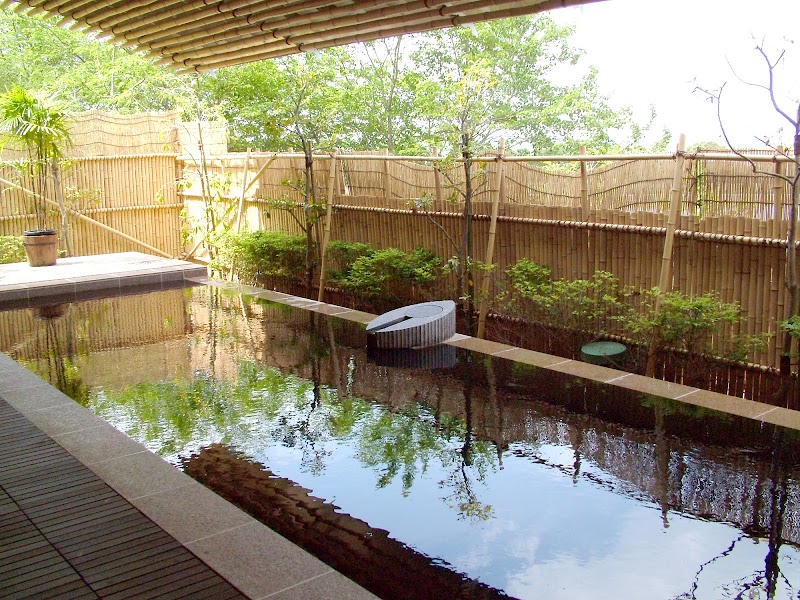
Google rating: 4.0 · 1,806 reviews
Technically outside the Alps corridor, Yamato-no-Yu near Narita Airport makes this list as a practical transit option for tattooed visitors landing at NRT before heading inland. Narita-area public baths (sentō, 銭湯, or suburban spa facilities like this one) tend to operate under different management cultures than resort onsen — often more pragmatic about tattoo access, though never guaranteed.
This is classified as a public bath rather than a natural hot spring, which matters: the water is heated and treated rather than geothermal. For many visitors the soak is the point regardless of mineral content, and a clean, well-reviewed local bath near the airport is a legitimate first-night option. Check current tattoo policy via Google Maps reviews (filter by recency) and call ahead with the phrase above.
Hottarakashi Onsen — Yamanashi City
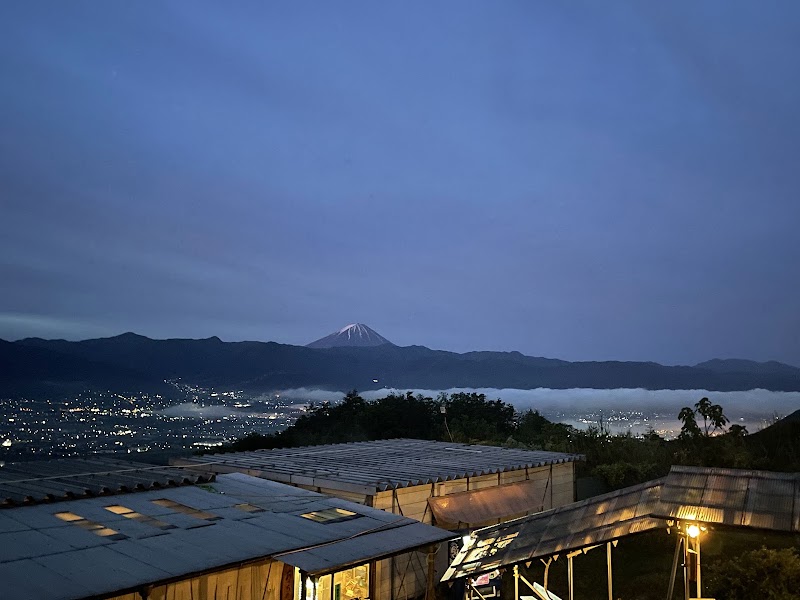
Google rating: 4.3 · 14,865 reviews
With nearly 15,000 Google reviews, Hottarakashi is one of the most visited outdoor onsen in the Yamanashi highlands — perched on a hillside with panoramic views of Mt. Fuji and the Kofu basin. The name roughly translates as "left alone" or "neglected," which regulars find charming. Two separate outdoor baths (kochira no yu こちらの湯 and achira no yu あちらの湯) offer slightly different angles on the same extraordinary view.
Its enormous review volume means you can actually research tattoo experiences specifically: search Google Maps reviews for "tattoo" or "タトゥー" to find recent first-hand accounts. Because the facility is open-air and draws heavy international traffic, the operational reality on the ground may be more welcoming than signage suggests — but this is not a guarantee. Verify before the drive up from Yamanashi station (bus or taxi required).
Yoshinoike Onsen — Fujiyoshida, Yamanashi
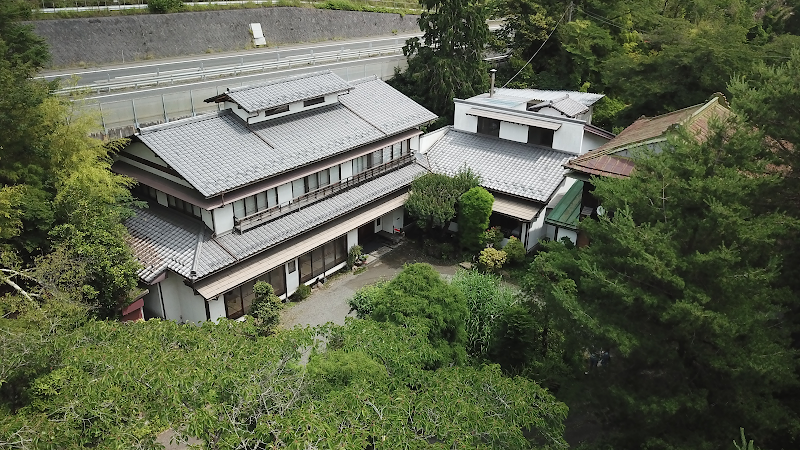
Google rating: 4.1 · 400 reviews
Fujiyoshida sits at the northern base of Mt. Fuji, and Yoshinoike is a smaller neighbourhood onsen serving locals as much as tourists. Lower review counts can actually signal a more traditional, community-oriented facility — which cuts both ways for tattooed visitors. Staff may be less experienced with international guests, but smaller facilities are also more likely to offer kashikiri buro (貸切風呂, private reserved baths) that sidestep the communal bath question entirely.
Ask directly: "Kashikiri no ofuro wa arimasu ka?" (貸切のお風呂はありますか?) — "Do you have a private bath available?" If yes, the tattoo policy in communal baths becomes irrelevant. Private baths book up fast at popular times; call the morning of your visit at minimum, ideally a day ahead.
Ōtaki no Yu — Kusatsu, Gunma
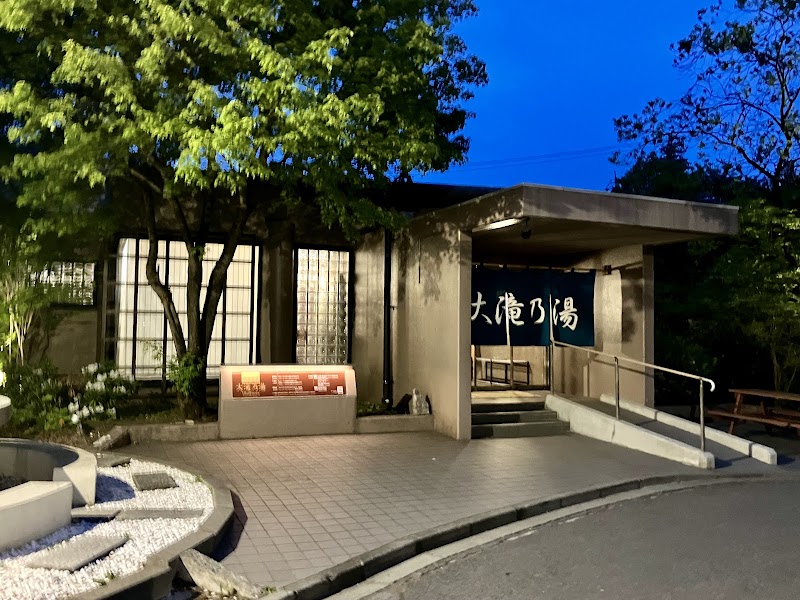
Google rating: 4.3 · 5,100 reviews
Kusatsu is Japan's most celebrated hot spring town and a genuine bucket-list destination — the water here is highly acidic, rich in sulfur, and legendarily therapeutic. Ōtaki no Yu is one of the larger public facilities in Kusatsu town centre, with strong review numbers confirming it's well-established and actively used. Kusatsu's traditional bathing culture (yu揉み, the communal water-stirring ritual) is deeply conservative, so assumptions about tattoo welcome should not be made.
That said, Kusatsu draws international visitors in volume, and facilities have had to adapt. Check the venue's current policy by calling or messaging ahead — and be prepared for a firm no on communal baths, in which case ask about private bath availability as above. Even if you only access the footbaths (ashiyu, 足湯) around Kusatsu, the town itself justifies the journey into the Gunma highlands.
How to Verify Before You Go
Tattoo policies change without notice — sometimes seasonally, sometimes after a single complaint from a local regular. Build verification into your planning:
- Search recent reviews on Google Maps filtered to the last three months. Search within reviews for "tattoo" or "タトゥー" to find specific experiences.
- Call ahead and use this phrase: "Irezumi ya tattoo ga aru baai, nyūyoku wa kanōdesu ka?" (入れ墨やタトゥーがある場合、入浴は可能ですか?)
- Ask about cover-up stickers: "Shiru de kakuseba hairu koto ga dekimasu ka?" (シールで隠せば入ることができますか?)
- Confirm private bath availability: "Kashikiri no ofuro wa arimasu ka? Yoyaku wa hitsuyō desu ka?" (貸切のお風呂はありますか?予約は必要ですか?)
- Check opening hours and prices via Google Maps or the official website on the day — hours shift between seasons and holidays, and this guide does not carry live pricing data.
Practical Tips for Tattooed Onsen Visitors
Bring waterproof tattoo cover patches (nunobasokon 布バソコン or purpose-made tattoo cover tape sold at Japanese pharmacies). Size matters: anything larger than roughly A5 paper is unlikely to be accepted as "covered." Back pieces, chest pieces, and full sleeves remain the most commonly refused categories even at permissive venues. The private bath route is always cleaner than arguing at the front desk — and often a genuinely better experience anyway.