Tattoo-Friendly Onsen at Lake Toya, Hokkaido
By Ikumi H.
Independent guide, based in Japan. Every facility verified via Google Places. How we verify →
Last updated: 2026-09-01 · 5 min read
Lake Toya is one of Hokkaido's most dramatic settings — a caldera lake ringed by volcanic peaks and ryokan that have been pumping mineral-rich water since the Meiji era. It's also, like most of rural Hokkaido, firmly rooted in traditional onsen culture, which means tattoo policies tend to be stricter than in urban sento. If you're inked and hoping to soak with that caldera view, you need a strategy before you show up at the noren (the fabric divider curtain marking the bath entrance).
Here's what the verified options look like — and how to work around the inevitable restrictions.
Why Lake Toya Is Particularly Tricky for Tattooed Visitors
Most onsen towns in Japan enforce the blanket ban that traces back to the historical association between tattoos and the yakuza. Toya Onsen, the main hot spring resort strip along the lake's southern shore, is dominated by large ryokan (traditional inns) whose communal baths serve a mixed Japanese domestic clientele. These establishments are statistically the most likely to enforce strict no-tattoo rules. Your best realistic options are: finding a facility that explicitly permits tattoos, booking a kashikiri-buro (貸切風呂, private reserved bath), or using cover-up waterproof stickers (湯あみシール, yu-ami sticker) where the facility allows them for smaller tattoos.
🏨 Find stays near these spots →
Yutorelo Toyako — The Day-Bath Option on the Lake
Location: Tōyakoonsen, Toyako, Abuta District, Hokkaido Google rating: 3.6 ★ (1,020 reviews) — View on Google Maps
Yutorelo Toyako is a public-access day-use facility right in the onsen resort area, which makes it the most accessible option for visitors not staying at a lakeside ryokan. Its rating is modest, which reflects the facility's age rather than the water quality — the sodium chloride spring water here is genuine Toya Onsen source.
The important move here is to call ahead or check their current policy before visiting. Ask: "Irezumi ga aru no desu ga, nyūyoku wa dekimasu ka?" (「入れ墨があるのですが、入浴はできますか?」— "I have a tattoo; is bathing permitted?"). If they restrict communal baths, ask specifically: "Kashikiri wa arimasu ka?" (「貸切はありますか?」— "Do you have private baths?"). Verify current hours and entry fees on Google Maps before going, as these change seasonally.
Toya Onsen Toya Ikoinoie — Small Facility, Worth a Direct Ask
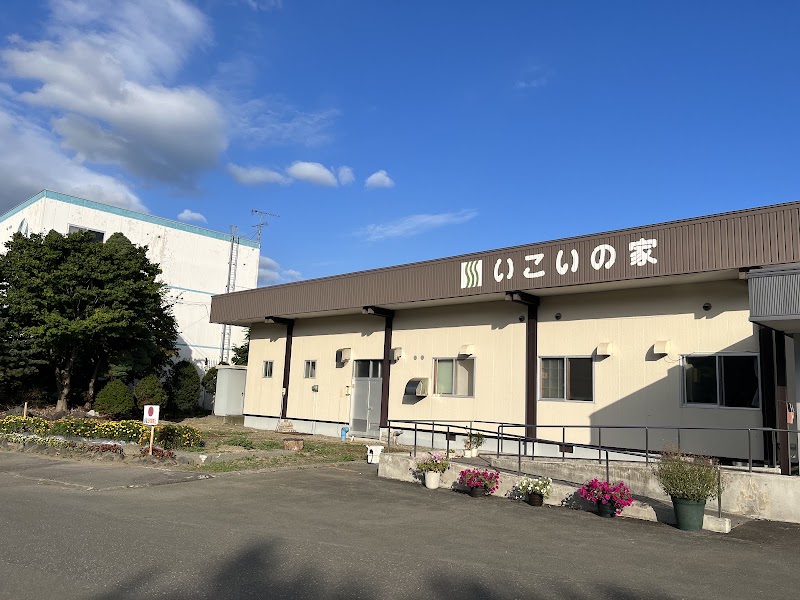
Location: Tōyamachi, Toyako, Abuta District, Hokkaido Google rating: 4.0 ★ (319 reviews) — View on Google Maps
Ikoinoie translates roughly as "house of rest," and smaller community-style facilities like this one occasionally take a more relaxed approach to tattoo enforcement than the large resort ryokan — particularly during off-peak hours when communal baths are less crowded. With 319 reviews and a solid 4.0 rating, it has a loyal regular customer base, which suggests a neighborhood rather than tourist-only atmosphere.
This type of facility is worth a polite, direct inquiry. Smaller operators sometimes permit cover-up stickers (湯あみシール) for tattoos that can be fully covered, or may offer early-morning slots where private use is effectively possible. Confirm current access details, pricing, and any tattoo policy directly via Google Maps or phone before visiting.
Hōheikyō Hot Spring — Nearby Sapporo Alternative Worth the Drive
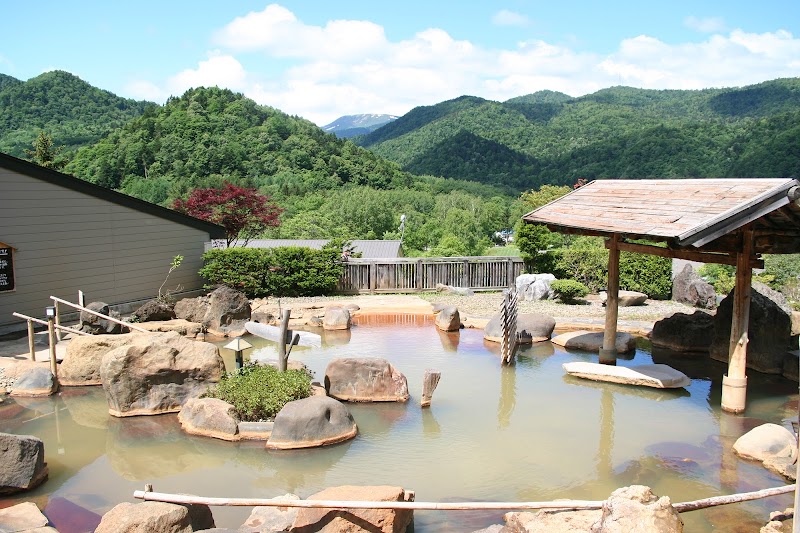
Location: Jōzankei, Minami Ward, Sapporo, Hokkaido Google rating: 4.3 ★ (4,420 reviews) — View on Google Maps
Hōheikyō is not at Lake Toya — it sits in the Jōzankei gorge area south of Sapporo, roughly 90 minutes from Toya by car. It's included here because it's the highest-rated and most-reviewed onsen facility on this verified list, and if you're road-tripping across Hokkaido (which most visitors are), it makes a logical stop on the route between Sapporo and Toya.
With 4,420 reviews and a 4.3 average, Hōheikyō has the volume of feedback that sometimes surfaces reliable tattoo-policy information in review comments — search Google Maps reviews filtered by "tattoo" or "irezumi" to see recent visitor reports. The facility type and scale suggest it may have kashikiri options. Verify directly before visiting, and apply the same Japanese inquiry approach as above.
Tenzan Onsen — High-Rated Hakone Option for a Different Trip
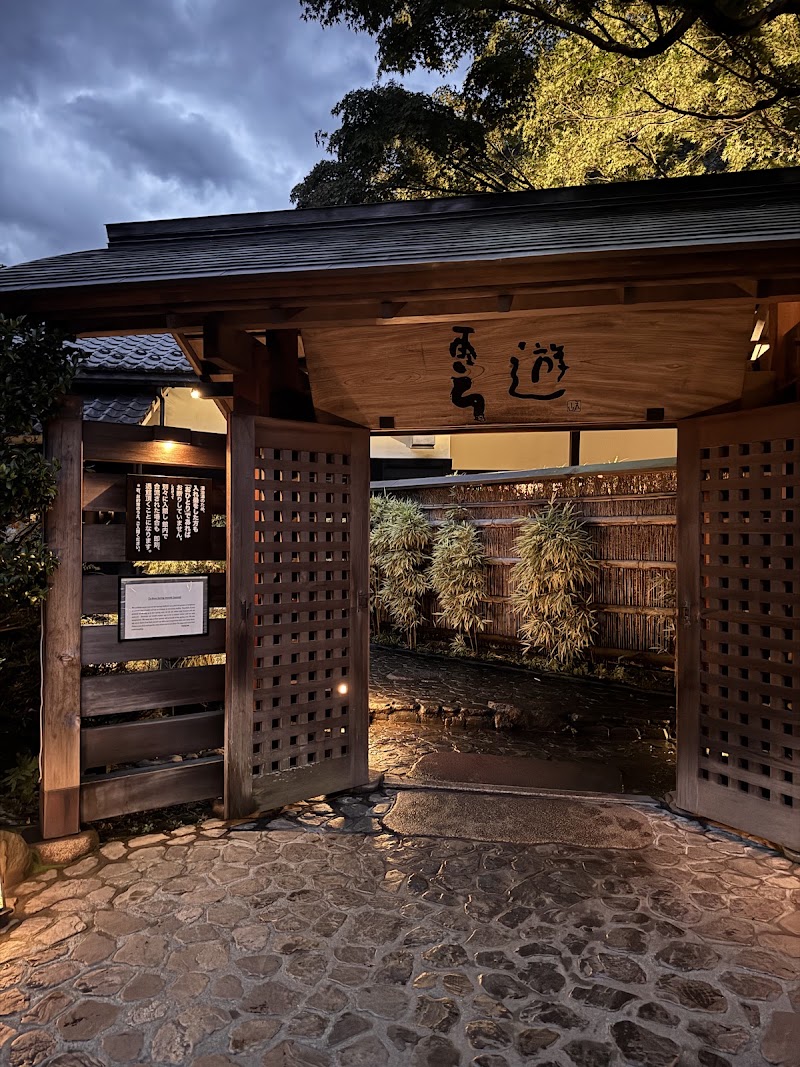
Location: Yumotochaya, Hakone, Kanagawa Google rating: 4.4 ★ (5,927 reviews) — View on Google Maps
Tenzan Onsen is in Hakone, Kanagawa — geographically unrelated to Lake Toya, but included in the verified data as a benchmark. If you're planning a Kanto-area onsen trip as a separate itinerary, Tenzan's 5,927 reviews make it one of the most thoroughly documented onsen on this list for international visitors. Check recent reviews specifically mentioning tattoo access, as Hakone has a more internationally experienced hospitality sector than rural Hokkaido.
Yamato-no-Yu Public Bath — Narita Stopover Option
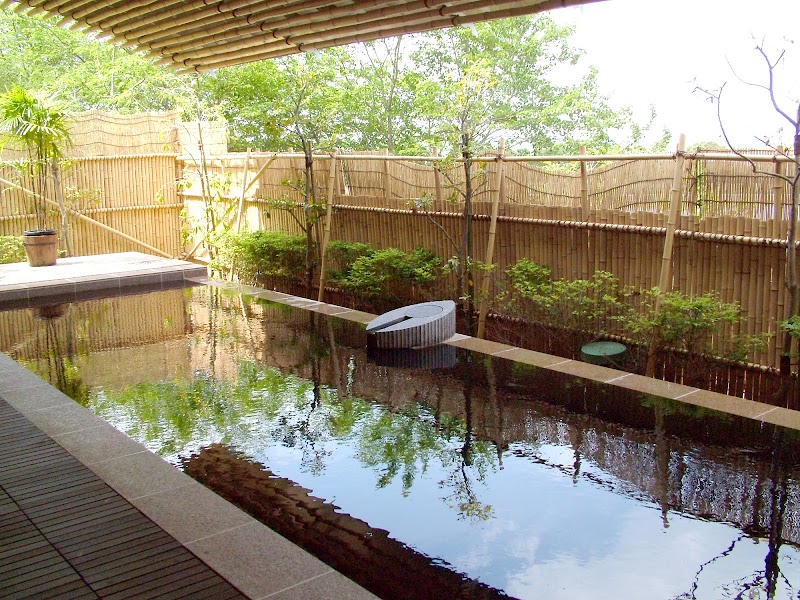
Location: Ōdake, Narita, Chiba Google rating: 4.0 ★ (1,806 reviews) — View on Google Maps
Yamato-no-Yu is a public sento-style bath near Narita Airport — practical for a jet-lag soak on arrival or departure day, but geographically separate from Lake Toya. Its 1,806 reviews suggest it handles a consistent volume of international travelers. Sento (銭湯, public bathhouses) operate under Tokyo Metropolitan Government regulations that have become progressively more nuanced on tattoo policy; some now permit small tattoos or provide sticker cover-ups. Confirm current policy before visiting.
How to Verify Before You Go
Tattoo policies change — sometimes seasonally, sometimes after management changes. Use this verification checklist for every venue:
- Search Google Maps reviews filtered for "tattoo," "irezumi" (入れ墨), or "tatoо" to find recent first-hand accounts from the past six months.
- Call the facility directly and use this phrase: "Irezumi ga aru no desu ga, nyūyoku wa dekimasu ka?"
- Ask about kashikiri-buro (貸切風呂) specifically — many facilities that restrict communal baths freely rent private baths by the hour.
- Ask about yu-ami stickers (湯あみシール) — some facilities permit these for tattoos that can be fully covered, typically palm-sized or smaller.
- Check the facility's official website for any 外国人 (gaikokujin, foreign visitor) guidance pages, which increasingly address tattoo policy explicitly.
Practical Closing Tips for Toya Onsen Specifically
The peak season at Lake Toya runs from late April through October, with fireworks festivals drawing large crowds in summer. During peak periods, kashikiri baths at ryokan book out weeks in advance — if private bathing is your backup plan, reserve it before you travel. Many lakeside ryokan offer kashikiri as a room add-on for guests, so booking accommodation that includes private bath access is the single most reliable strategy for tattooed visitors in this region. Always confirm the policy at the time of booking, in writing if possible, so there are no surprises at check-in.